
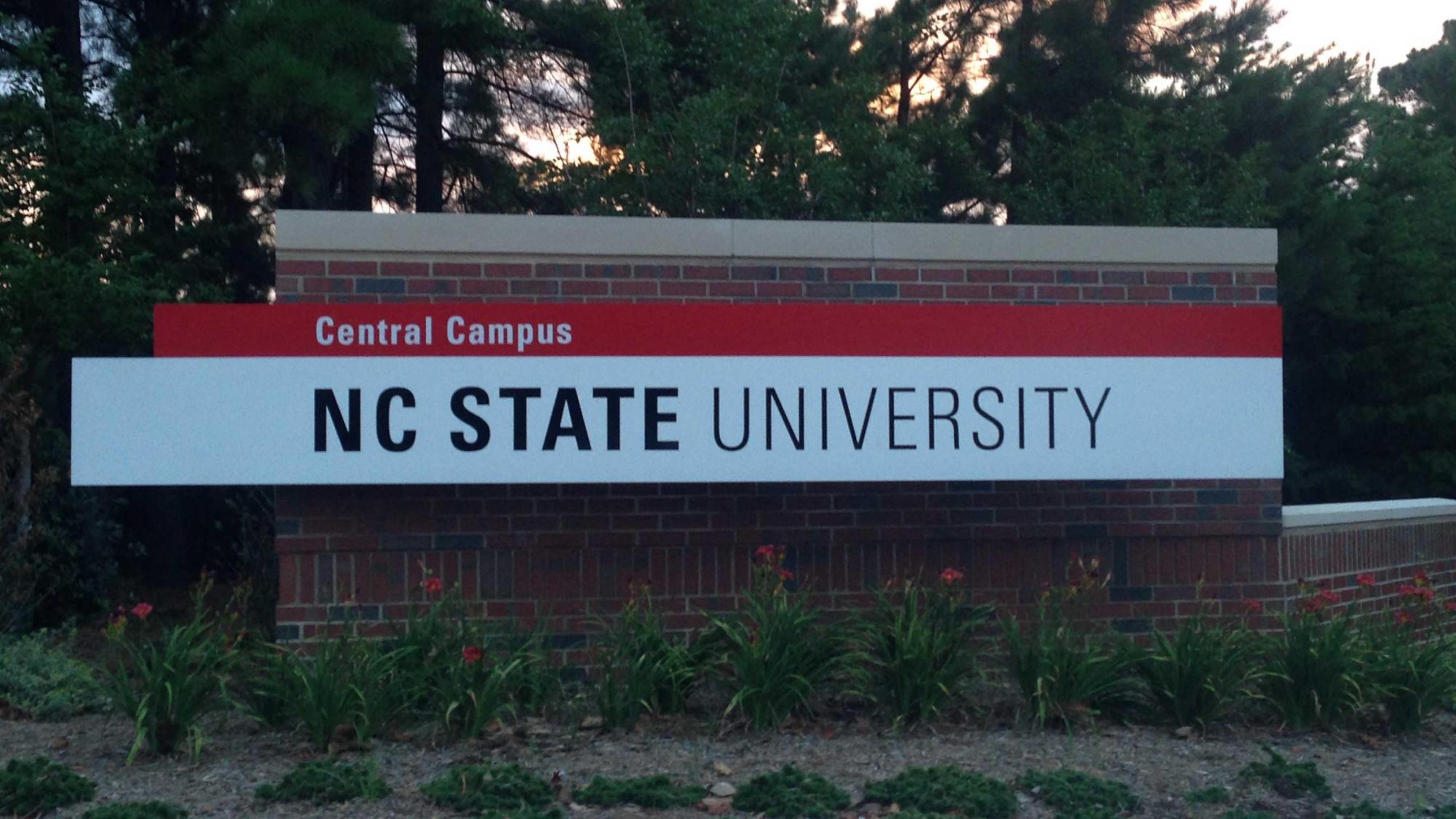
The North Carolina state government has given North Carolina State University a $16 million grant for esports-related development and has instituted a fund to subsidize video game tournament production costs in order to make the state a more attractive esports destination.
NC State’s $16 million grant will be split between two projects. The first is a $12 million arena, that is expected to be the largest collegiate esports facility in the United States. The current largest, Full Sail University’s “The Fortress,” cost only $6 million.
The second half of NC State’s esports investment is called the “mobile arena.” This $4 million truck will carry all the equipment necessary to run a small esports event. As a result, it will be a resource that people throughout North Carolina can request in order to host tournaments without traveling to Raleigh.
North Carolina’s General Assemblyman, Jason Saine, said he believes the benefits of the recent esports investments will extend beyond the immediate economic impact of individual tournaments. If North Carolina can establish itself as a premier esports destination, Saine said the state will be better able to recruit workers looking for careers in the industry.
“You end up recruiting residents into the state who, by definition, in the work that they’re doing, are of higher income,” said Saine. “It’s kind of a rising tide raising all boats. When you have that qualified workforce with that disposable income, they’re reinvesting in the community.”
Saine also said he believes North Carolina’s low corporate income tax rate will make it more appealing to esports production companies than higher-tax states like California. North Carolina’s corporate tax rate is currently 2.5%, the lowest of any state that levies such a tax, and it intends to phase the tax out by 2030.
As the esports ecosystem begins to develop, starting with NC State’s arena, Saine said it will only continue to draw more people to North Carolina’s budding gaming and technology industries.
“I think as we use that to attract more communities that haven’t been involved prior to esports, but more importantly STEM, we start developing that very diverse workforce,” added Saine. “I always want to be a state where a company looks at moving and says, ‘You’ve got the workforce we need. They’re well-educated, they’re adaptable on the fly.’”
(All information was provided by Upcomer)
0 comments on “N.C. State Looks To Build Up North Carolina Esports Ecosystem”